
AI Safety · Research
In the Age of AI, the Human Voice Has Never Been More Vulnerable — or More Worth Protecting
January 15, 2025 · SSRN 4850866 · +AI Newsroom (updated)
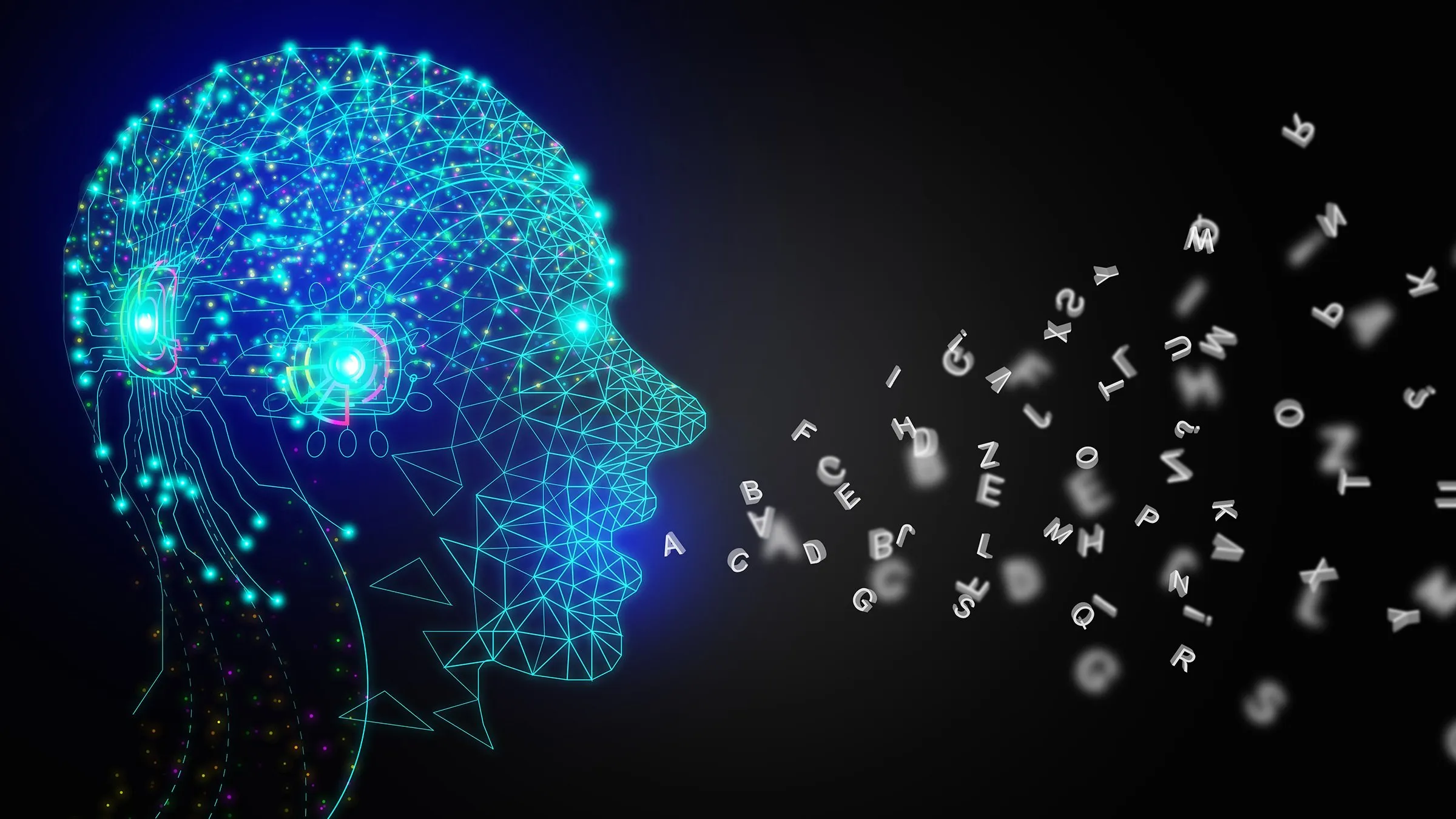
This updated brief is drawn from “Voice Cloning in an Age of Generative AI” (SSRN 4850866) and the +AI newsroom release “In the Age of AI, the Human Voice Has Never Been More Vulnerable — or More Worth Protecting.” It covers why voice is now a replicable asset, how fraud exploits cloned speech, and the layered defenses and governance needed for families, creators, and enterprises.
Key takeaways
- Voice cloning risk is expanding with multimodal models and cheaper inference.
- Consent and provenance are emerging as baseline requirements for lawful use.
- Detection requires layered signals: acoustic fingerprints, content analysis, and behavioral cues.
- Households and creators need practical controls: voice locks, watermarking, and policy-aware sharing.
- Enterprises should pair technical controls with governance and incident response.
Risk landscape
The paper outlines rising fraud, misinformation, and impersonation risks as models improve. Lower cost and higher fidelity amplify threats against families, creators, and enterprises.
Common attack paths
- Social engineering using cloned voices of family members or executives.
- Account takeover via voice biometrics when liveness/anti-spoof is weak.
- Content misuse: unauthorized narration, brand voice spoofing, and creator impersonation.
Why governance is urgent
Multimodal models, falling inference costs, and inconsistent consent standards mean voice ownership is not yet well protected in law. The paper calls for unified provenance, clear licensing, and enforceable user disclosures whenever synthetic voices are used.
Detection & defense
Effective defense stacks model-side and edge controls: acoustic fingerprinting, anomaly detection, prompt/content inspection, and user-aware verification.
- Voice fingerprinting with liveness and replay protection.
- Watermarks and provenance signals where model support exists.
- Context-aware prompts: enforcing consent and purpose limitations.
- Human-in-the-loop verification for sensitive workflows.
Household and creator safeguards
- Voice locks for family members and creators with consent-aware sharing.
- Cloned-voice detection for calls and recordings, plus replay/liveness checks.
- Provenance and watermarking on exports to deter unauthorized reuse.
Governance
Governance pairs technical signals with policy: clear consent records, data minimization, audit trails, and an incident plan for suspected impersonation.
- Consent and licensing for voice capture and cloning.
- Retention limits and secure storage for voice data.
- Clear routes for takedown and remediation when abuse is detected.
Policy and consent
The paper stresses explicit, revocable consent, propagation of provenance signals, and transparent disclosure when synthetic voices are present.
- Explicit, revocable consent for capture and cloning; granular opt-out.
- Watermarks/provenance across exports, APIs, and downstream tools.
- Disclosure to end users when synthetic voices are used in media or calls.
Read the paper
Access the full SSRN paper for detailed methods, citations, and experimental results.
SEO GEO
+AI voice security coverage for families, creators, and teams in the U.S., Canada, UK, and EU, with region-aware safety defaults and consent guidance.